
 By
A supermarket food director has become an unexpected internet personality. Her rise shows why brands are increasingly putting their own employees in front of the camera.
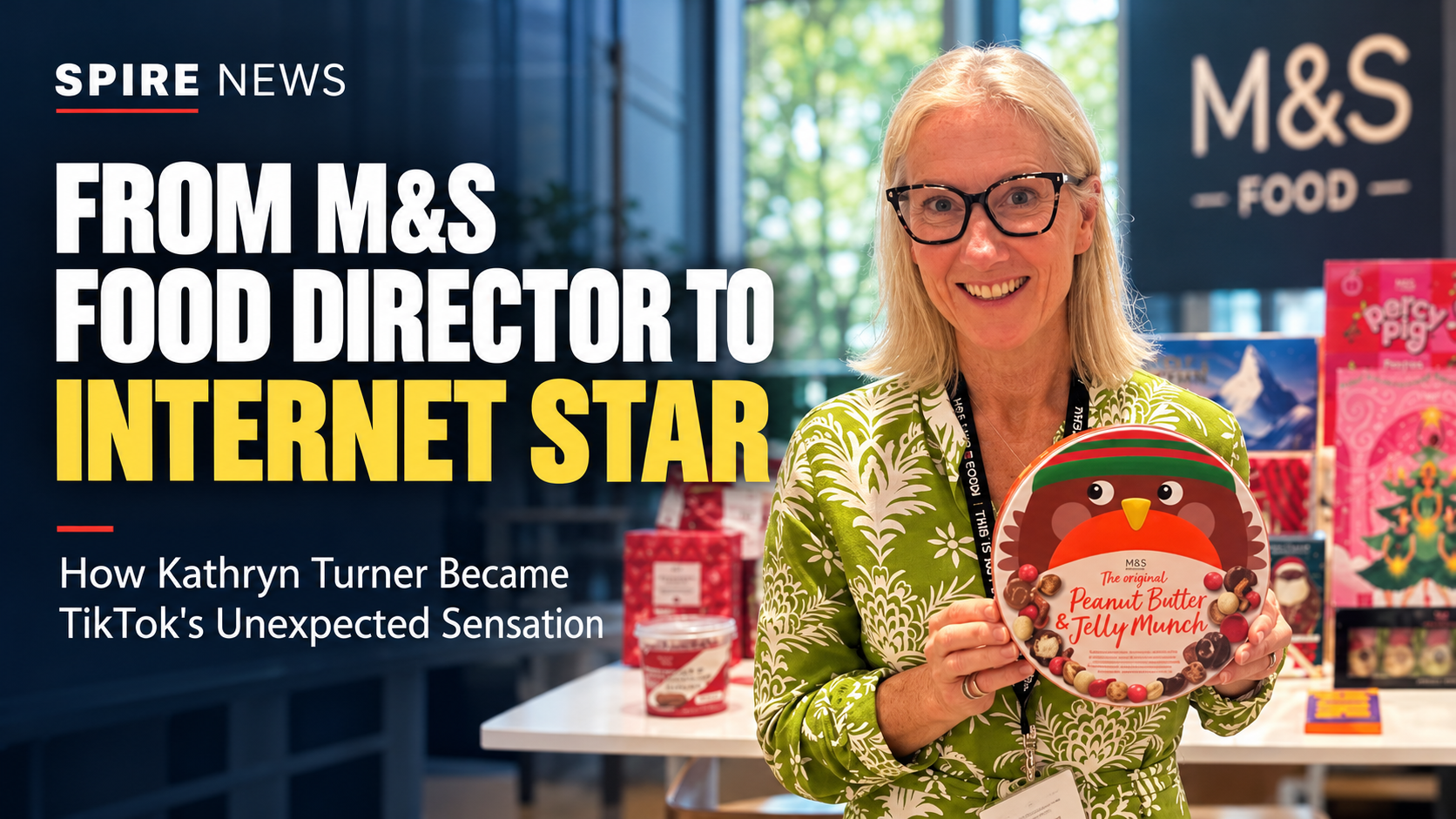
A supermarket food director might not seem like an obvious social media star. But Kathryn Turner, Marks & Spencer’s director of product development, has become one of the retailer’s most recognisable online personalities.
Her videos feature new food launches, product recommendations and glimpses behind the scenes at M&S. They have attracted hundreds of thousands of followers across TikTok and Instagram.
Now, her popularity has reached an unexpected milestone. For Halloween 2026, fans are dressing up as Turner, complete with blonde wigs, glasses and M&S cookies.
The unusual costume trend has turned an ordinary corporate employee into an internet reference. But there is a bigger story behind her popularity.
Turner’s rise highlights a growing marketing opportunity: brands can build audiences by putting their own employees in front of the camera.
Who Is Kathryn Turner?
Kathryn Turner is the director of product development at M&S Food. She joined Marks & Spencer in 1995 and has spent decades working in food product development.
Her professional role involves the products that eventually reach M&S shelves. That gives her a perspective most social media creators do not have: direct knowledge of how food products are developed and selected.
In May 2026, she began sharing videos on TikTok. Her introduction was straightforward. She identified herself by her actual job title and explained that she wanted to share her favourite discoveries from the M&S Foodhall.
@kathrynlturner
The introduction helped establish the format that would become central to her account: a product development director speaking directly to consumers about the products she helps create.
How an M&S Food Director Became an Internet Star
Turner’s videos offer something different from conventional product advertising.
She walks through food halls, discusses new products, shares recommendations and gives viewers a look at the people and decisions behind the retailer’s food range.
Her professional experience also gives the recommendations context. Viewers are hearing from someone involved in product development rather than an outside creator brought in for a promotional campaign.
The audience response has been substantial.
The Guardian reported on October 30 that Turner had approximately 310,000 TikTok followers and 270,000 Instagram followers. Her videos have also attracted significant engagement, with some receiving more than a million likes.
These figures reflect the reported audience at the time of publication, not permanent follower counts.
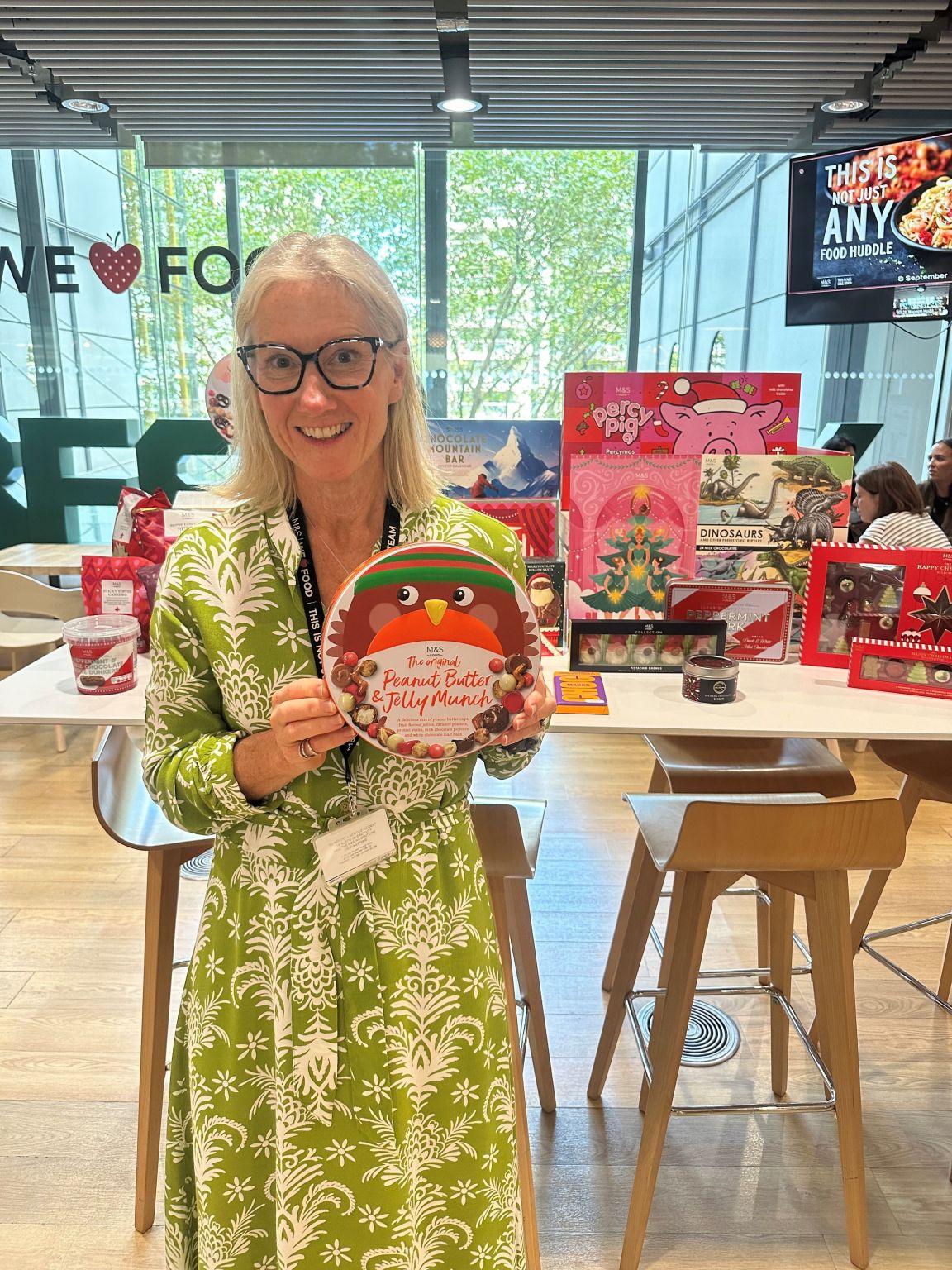
Caption: Kathryn Turner brings M&S Food products and the people behind them directly to social media audiences.
Her popularity has also moved beyond social media. The Halloween costume trend is an example of how a recognisable online personality can become part of wider internet culture.
People are not simply copying a celebrity’s outfit. They are recreating the look of someone whose everyday professional identity has become entertaining.
Why Employee Influencers Are Different From Traditional Influencers
Influencer marketing usually involves brands working with creators who already have an audience.
Employee-led content follows a different approach. The people presenting the products already work inside the business.
That difference can create several advantages.
Employees Have First-Hand Product Knowledge
An employee who works directly with a product can explain details that a conventional advertising campaign might overlook.
For Turner, that means discussing food products from the perspective of someone involved in their development.
This can make product explanations more useful and specific. It also gives viewers a reason to follow the person beyond a single promotional post.
Real Personalities Can Make Brands More Relatable
Corporate advertising often uses carefully planned messages and polished production.
Employee-led videos can feel more conversational. Viewers see an identifiable person speaking about familiar products rather than a company delivering another promotional message.
Turner’s professional introduction, presentation style and recurring video format have helped create a recognisable online personality.
The distinction is not that every employee is automatically more trustworthy than an influencer. It is that an employee can offer a different kind of credibility when their expertise and commercial relationship are clear.
Behind-the-Scenes Access Creates Curiosity
Consumers see the finished product on supermarket shelves. They rarely see the people who help develop it.
Behind-the-scenes videos give audiences access to that missing part of the story.
They can learn about new products, development decisions and the people responsible for bringing products to market.
For a retailer with a large product range, that creates a continuing source of content.
What Other Brands Can Learn From Kathryn Turner’s Success
The most useful lesson is not to find another person who looks or behaves like Turner.
It is to identify employees who have something genuinely interesting to share.
Start With Employees Who Have Real Expertise
A food developer, engineer, designer, store manager or customer support specialist may have knowledge that customers rarely get to see.
Brands should look for people who understand their work and can explain it clearly.
The strongest candidates are not necessarily the most polished speakers. They are people with useful experience and a natural interest in their subject.
Let Employees Develop Their Own Personalities
Employee content should not become another corporate advertisement.
If every video is scripted, heavily edited and filled with promotional language, it loses the qualities that make the format appealing.
Companies can establish clear brand guidelines without removing the employee’s individual voice.
Show the Process, Not Just the Product
A product photograph tells customers what something looks like.
A person explaining how it was developed can give them a reason to care about it.
Brands can use this approach to show product testing, design decisions, manufacturing processes, customer feedback and everyday work.
Build a Sustainable Creator Programme
Employee-led content requires more than handing someone a phone and asking them to post.
Companies need to establish clear responsibilities, provide appropriate training and give employees time to create content.
Participation should also be voluntary. Employees should understand how their content may be used and what happens if they no longer want to participate.
The Risks of Turning Employees Into Influencers
Employee-led marketing has advantages, but it also creates responsibilities.
The first concern is employee privacy. Becoming a recognisable online personality can expose someone to attention outside working hours.
There is also the question of workload. Creating regular social media content should not become an additional unpaid responsibility on top of an employee’s existing role.
Commercial transparency matters too. Audiences should understand when someone is presenting products on behalf of their employer.
Finally, companies need to consider what happens when an employee leaves, changes roles or decides to stop creating content.
A successful employee creator programme should protect the individual as well as the brand.
The Future of Employee-Led Influencer Marketing
Kathryn Turner’s popularity offers a useful lesson for companies trying to stand out on crowded social media platforms.
A business does not always need to find an external personality to tell its story. Sometimes, the people with the most interesting perspectives are already working inside the organisation.
Employees bring experience, product knowledge and access to stories that traditional advertising cannot easily reproduce.
That does not mean traditional influencers are becoming irrelevant. Both approaches can serve different marketing goals.
But Turner’s rise demonstrates why more brands may start looking internally for their next social media personalities.
And if a supermarket food director can become a Halloween costume, it is clear that the line between an employee, an expert and an internet personality is becoming less predictable.


